


Why Professional Jumpstart Services Are Safer
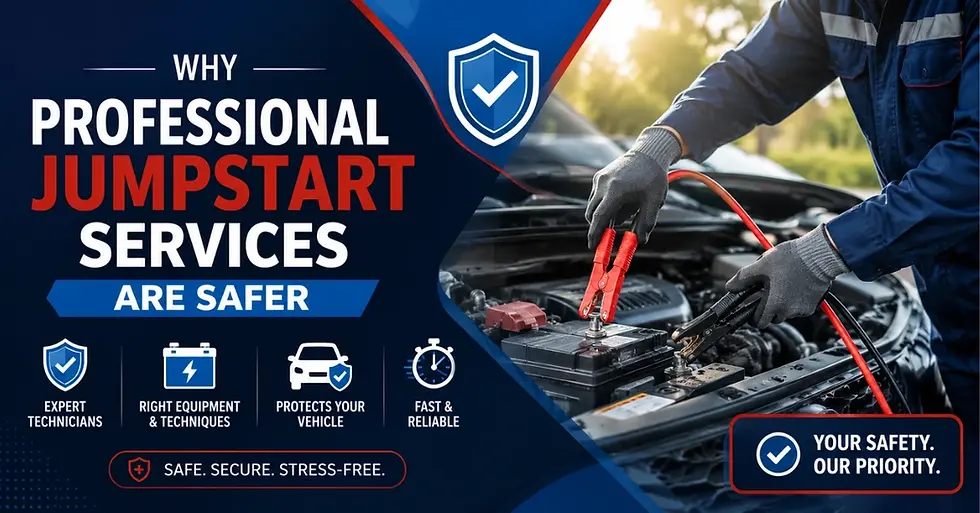
A dead battery can happen without warning, leaving drivers stranded at home, in a parking lot, or on the roadside. While many people attempt to solve the problem by using jumper cables or asking another driver for assistance, improper jumpstarting can create serious risks for both the vehicle and personal safety. Modern vehicles contain complex electrical systems that require careful handling during any battery-related procedure. Choosing a professional service significantly reduces the chance of costly mistakes, vehicle damage, or personal injury. Whether your battery has failed because of age, extreme weather, or accidentally leaving the lights on, Car battery Jumpstart services provide a safe, efficient, and reliable solution that gets you back on the road with confidence.
Understanding the Risks of DIY Jumpstarting
Many drivers believe jumpstarting a vehicle is a simple process. While the basic concept appears straightforward, the actual procedure requires attention to detail and proper safety precautions. Connecting jumper cables incorrectly, using damaged equipment, or overlooking battery issues can create hazards that extend beyond simply failing to start the vehicle.
One of the most common mistakes involves reversing the battery terminals. Accidentally connecting the positive cable to the negative terminal may cause electrical shorts, blown fuses, damaged electronic control units, or even permanent harm to sensitive onboard systems. Modern vehicles rely heavily on computerized components, making them more vulnerable to electrical damage than older models.
Another concern is battery condition. A battery that has cracked, leaked acid, or developed internal damage should never be jumpstarted. Attempting to do so may increase the risk of battery rupture or explosion, particularly if hydrogen gas has accumulated around the battery compartment.
Why Professional Technicians Follow Safer Procedures
Professional jumpstart technicians are trained to inspect the vehicle before connecting any equipment. Instead of assuming the battery is simply discharged, they evaluate whether the battery has underlying damage or whether another mechanical or electrical problem is preventing the engine from starting.
Their systematic approach includes:
Inspecting battery terminals for corrosion or loose connections.
Checking for visible battery damage before performing the jumpstart.
Using commercial-grade equipment designed to deliver controlled electrical power.
Following manufacturer-recommended jumpstarting procedures.
Testing the charging system after the engine starts to identify possible alternator issues.
This careful process minimizes unnecessary risks while ensuring the vehicle receives the appropriate assistance.
Professional Equipment Provides Better Protection
One of the biggest differences between professional services and DIY attempts is the quality of equipment used. Consumer-grade jumper cables vary significantly in quality, thickness, and durability. Low-quality cables may not carry sufficient current or may overheat during use.
Professional jumpstart providers typically use portable battery boosters specifically engineered for automotive applications. These devices regulate voltage delivery, reducing the possibility of sudden electrical surges that could affect sensitive electronics.
Many professional booster packs also include built-in safety features such as reverse polarity protection, overload protection, spark prevention, and automatic voltage monitoring. These features help prevent operator error and reduce the chance of accidental damage.
Protecting Modern Vehicle Electronics
Today's vehicles are equipped with numerous electronic control modules that manage engine performance, transmission operation, safety systems, entertainment features, navigation, and driver assistance technologies. These systems are considerably more sensitive than those found in older vehicles.
Improper jumpstarting may result in voltage spikes that affect:
Engine control modules
Transmission control systems
Airbag control units
Infotainment systems
Parking sensors
Backup cameras
Navigation systems
Power windows and door locks
Replacing damaged electronic components can become extremely expensive. Professional technicians understand how to protect these systems during the jumpstarting process by using the proper equipment and following safe connection procedures.
Battery Inspections Prevent Bigger Problems
A dead battery is not always the root cause of a vehicle failing to start. Sometimes the battery itself is healthy, while another component is responsible for draining it.
Professional technicians often perform a quick inspection to determine whether the battery failure may be related to:
A faulty alternator
Parasitic electrical drain
Loose battery terminals
Corroded cable connections
A worn-out battery nearing the end of its lifespan
Starter motor issues
By identifying these problems early, drivers can schedule repairs before experiencing another unexpected breakdown.
Reducing the Risk of Personal Injury
Vehicle batteries contain sulfuric acid and generate hydrogen gas during charging and discharging cycles. Although serious accidents are uncommon, improper handling increases the possibility of injury.
Professional technicians understand how to minimize exposure to these hazards. They wear appropriate protective equipment, maintain safe working distances, and inspect batteries for warning signs before attempting any jumpstart.
Potential hazards associated with improper jumpstarting include burns caused by battery acid, electrical shocks, flying battery fragments from explosions, and injuries caused by incorrect cable handling. Professional training significantly lowers these risks.
Faster Response During Roadside Emergencies
When a battery fails unexpectedly, every minute matters. Waiting for an inexperienced helper or searching for jumper cables often delays the solution.
Professional roadside assistance providers are equipped to respond quickly with the necessary tools already available in their service vehicles. Because technicians perform jumpstarts regularly, they can diagnose and resolve the issue much faster than someone unfamiliar with the process.
This quick response becomes especially valuable during heavy traffic, poor weather, nighttime breakdowns, or unfamiliar locations where safety is a concern.
Safe Assistance in Difficult Environments
Not every battery failure occurs in a convenient parking space. Drivers may become stranded on busy highways, underground parking garages, isolated roads, or areas with limited lighting.
Professional technicians are trained to work safely under these conditions. They position service vehicles appropriately, use warning lights when necessary, and follow roadside safety procedures designed to protect both themselves and stranded motorists.
Attempting a DIY jumpstart in high-traffic environments exposes drivers to additional dangers that professionals are trained to manage.
Proper Cable Connections Matter
Correct cable placement is essential for a successful jumpstart. Professional technicians carefully follow the recommended connection sequence to reduce the possibility of sparks and electrical damage.
The general process involves connecting positive terminals first, attaching the negative cable to an appropriate grounding point rather than directly to the battery when recommended, verifying secure connections, and disconnecting cables in the proper reverse order after the engine starts.
These small details significantly improve safety while protecting the vehicle's electrical system.
Professionals Know When Not to Jumpstart
One overlooked advantage of hiring professionals is knowing when a jumpstart should not be attempted.
Certain battery conditions indicate that replacement is safer than attempting to restore power. Swollen battery cases, leaking electrolyte, cracked housings, excessive corrosion, or repeated failures may all suggest that jumpstarting is inappropriate.
Experienced technicians recognize these warning signs immediately and recommend safer alternatives instead of performing procedures that could increase risk.
Protecting Expensive Vehicle Components
Modern vehicles represent significant financial investments. A simple mistake during a jumpstart can damage components that cost hundreds or even thousands of dollars to repair.
Professional services help protect valuable parts such as:
Electronic control modules
Alternators
Battery management systems
Fuse panels
Sensors
Onboard computers
Hybrid control systems
Advanced driver assistance technology
Preventing even one major electrical repair often justifies the cost of professional roadside assistance.
Reliable Service in All Weather Conditions
Extreme weather is one of the leading causes of battery failure. Cold temperatures reduce battery performance, while excessive heat accelerates internal battery deterioration.
Professional technicians routinely provide jumpstart services during:
Winter mornings with low battery performance.
Hot summer afternoons that strain aging batteries.
Heavy rain when electrical safety becomes more important.
Late-night emergencies with limited visibility.
Long-distance travel where assistance may be unfamiliar.
Their experience enables them to adapt safely to changing environmental conditions.
Identifying Batteries That Need Replacement
Sometimes a jumpstart temporarily solves the immediate problem, but the battery itself has reached the end of its useful life.
Professional technicians often evaluate battery performance after starting the vehicle. If testing indicates insufficient capacity or repeated discharge issues, they may recommend replacement before another breakdown occurs.
This proactive approach reduces the likelihood of future roadside emergencies and helps drivers avoid unexpected inconveniences.
Peace of Mind for Every Driver
One of the greatest advantages of professional jumpstart services is confidence. Drivers do not need to worry about cable placement, electrical damage, battery safety, or diagnosing unfamiliar problems.
Instead, they receive assistance from trained professionals who understand automotive electrical systems and follow established safety procedures. This peace of mind becomes especially valuable for drivers who are unfamiliar with vehicle maintenance or uncomfortable working around batteries.
Professional assistance also provides reassurance for families, elderly drivers, new motorists, and anyone traveling alone.
Cost Savings Through Proper Handling
Some drivers hesitate to call a professional because they believe a DIY jumpstart saves money. However, even a small mistake during an improper jumpstart can result in repair costs far exceeding the price of professional roadside assistance.
Potential expenses from incorrect jumpstarting include damaged electronic modules, alternator replacement, battery replacement, wiring repairs, fuse replacement, diagnostic labor, and towing services.
Choosing professional assistance helps avoid these unnecessary expenses while ensuring the vehicle receives the correct treatment from the beginning.
Conclusion
Although jumpstarting a vehicle may appear to be a simple task, it involves important safety considerations that should never be overlooked. Modern vehicles contain sophisticated electrical systems that require careful handling, proper equipment, and accurate procedures to prevent costly damage and personal injury. Professional technicians offer experience, specialized tools, thorough inspections, and reliable roadside support that make the entire process safer and more efficient. Whether you're stranded at home, at work, or on the roadside, relying on a qualified Car battery Jumpstart service provides the safest solution, protects your vehicle, and gives you peace of mind whenever an unexpected battery failure occurs.


Comments